 Preservation
Some things are too important to leave to memory.
What they know, what they believe, and the sound of their voice will outlast anything they own.
Preservation keeps it all in one archive your family can explore, and keep asking, for generations.
Free to start. No writing required.
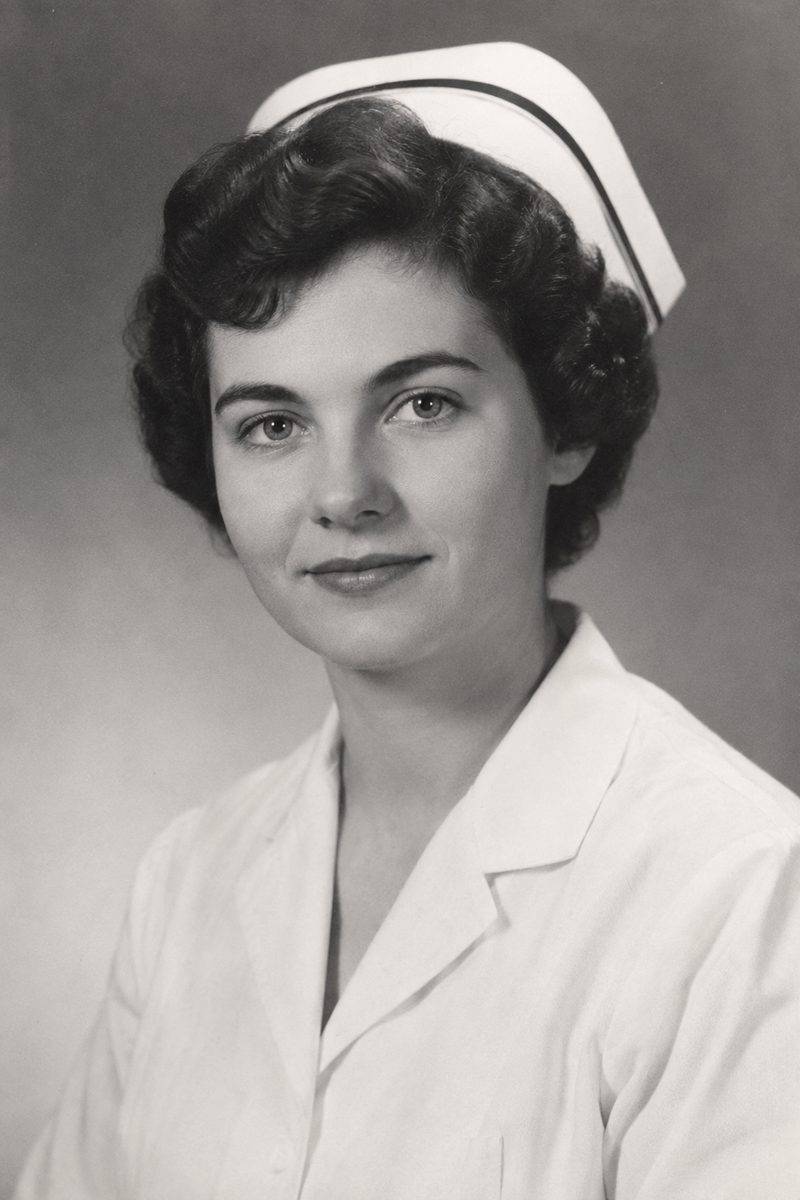
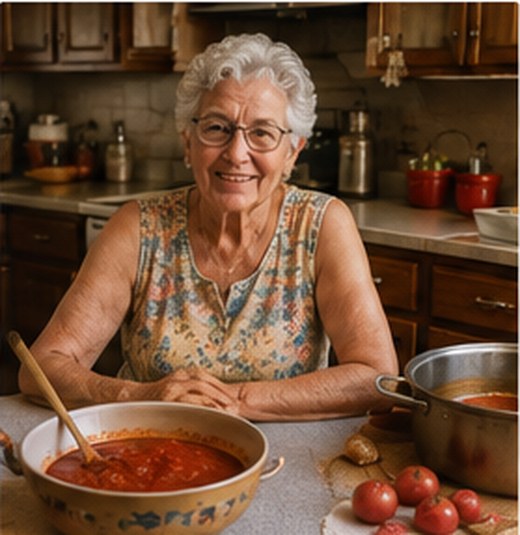
Eleanor Doyle
A demonstration archive. Fictional.
Try asking:
Answers are generated from Eleanor's preserved materials and may summarize or combine things she actually said. This is not Eleanor. Every answer names its sources.
See how it works
Meet Eleanor.
Eleanor is 88. She worked nights as a nurse for 31 years, married Walter in 1961, still makes her mother's Sunday sauce, and has stories her grandchildren have never heard. Her archive took about two hours of talking to create.
Explore Eleanor's full archive
Eleanor is fictional on purpose: real family archives are private, so we wrote one rather than put a real family on display. Her answers come only from her preserved stories and never pretend to be her.
The stories used to pass down on their own.
Stories were repeated at dinner. Grandchildren knew their grandparents' friends, their recipes, their expressions and the histories behind ordinary things. Many families don't live that way anymore: children move away, grandchildren grow up somewhere else, calls get shorter.
The knowledge is still there. There are just fewer chances to pass it on. Preservation creates one.
For your parents or grandparents
They probably have more to say than you have time to ask.
Your parent has decades of stories, opinions, mistakes, recipes, relationships and things they've figured out. You probably want more of it than you've managed to ask about.
Life just isn't structured around long conversations anymore. Preservation is: it gives them an easy place to talk, follows the interesting parts of what they say, and gradually turns those conversations into something the whole family can keep.
We make the conversations easier to have.
Send them a link and let Preservation keep the conversation going. Or begin with things your family already has.
Made for people who don't want another app
You set it up. They just talk.
- 1
You can set everything up for them.
Create the archive, add family materials and choose who can participate.
- 2
They get a simple link.
No complicated setup. No hunting through menus.
- 3
One thing appears on screen.
A question. A photograph. A letter. A memory.
- 4
They press one button and talk.
That's it. One answer counts, and so does a whole afternoon of stories. They stop whenever they want and come back another day.
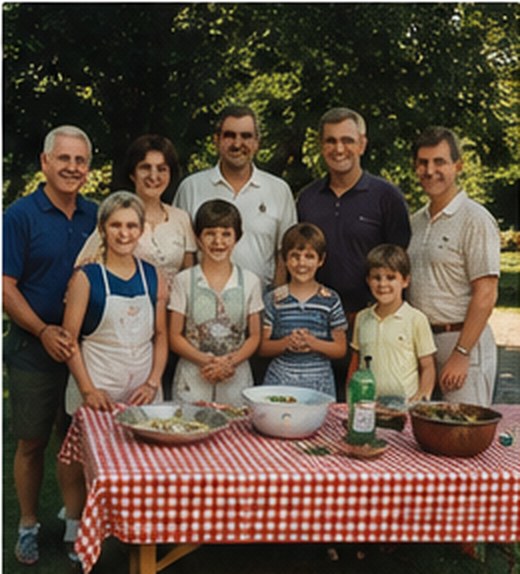
Who is in this picture, and where was it taken?
Press once and talk
Nothing you say is shared until you finish.
The next question comes from what you just said.
Most life-story services give everyone roughly the same list of questions. Preservation listens for the details that make your life yours.
If you mention Uncle Pete once and move on, it can ask about Uncle Pete. If you talk about a photograph, it can ask who else was there. If you mention that 1974 was the hardest year of your marriage, it can ask what happened next.
The conversation follows your life instead of forcing your life into a questionnaire.
Asked
What did you two find funny that nobody else did?
“He used to read the obituaries out loud and make up how they really died. Terrible. We'd be crying laughing at the kitchen table... He also called me Nurse. Never Nell in the house.”
So it asked
Where did Nurse come from?
Eleanor
“A joke I don't remember the beginning of, and then it was just my name. I still hear it sometimes. The house makes a noise and my ear does the rest.”
Start with a conversation. Or start with a memory.
Just talk
- They see one question at a time in large type.
- The question can be read aloud.
- They press one button and answer in their own words.
- No typing. No app to learn. No blank page.
Start with something you already have
Upload a photograph, recipe, letter or keepsake. Preservation asks the questions that help bring the memory back, and keeps the story with the thing that sparked it.
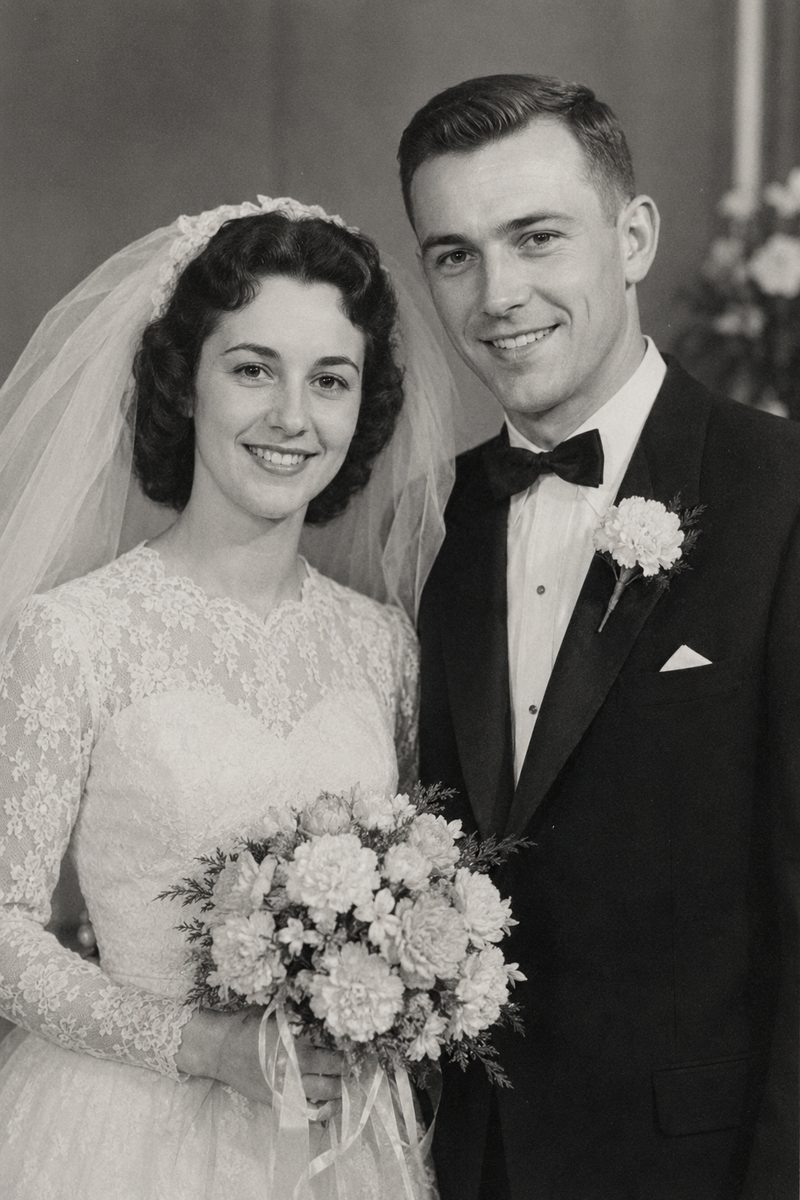
Family uploads
Wedding photograph · June 1961
Preservation asks
“What do you remember about this day?”
Eleanor says
“My father never smiled in photographs. He thought it made you look foolish.”
So it asks
“Was he really as serious as he looked?”
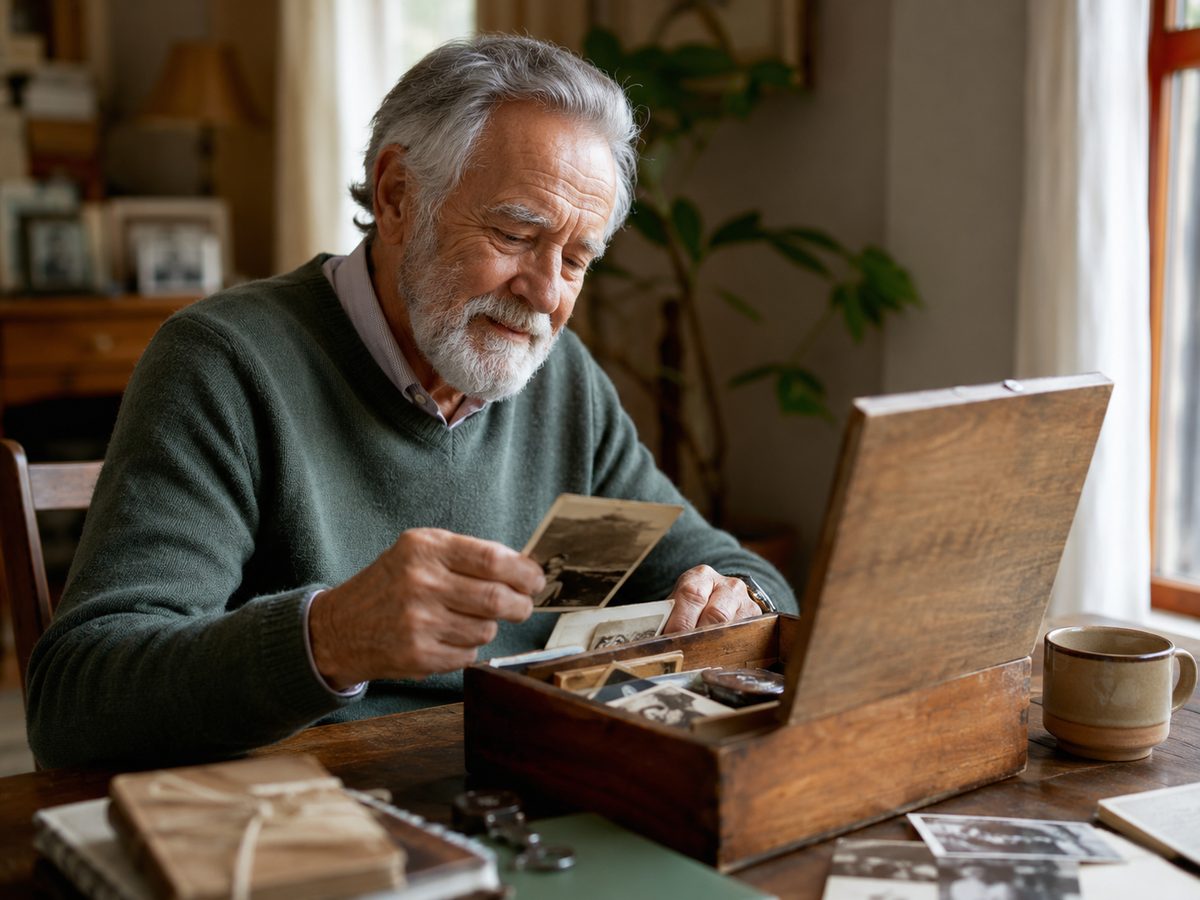
One box. Sixty years of questions nobody has asked yet.
Sometimes the easiest question is already sitting in a drawer.
A photograph can bring back a room, a person and a story nobody thought to ask about.
A recipe can lead to Christmas at your grandmother's house.
A letter can bring back someone the family barely remembers.
An old email can explain a decision nobody understood at the time.
Preservation doesn't just store these things. It helps uncover the stories behind them.
If it's your story
You know things nobody else does.
You know how you met the person you married. Why everyone still talks about that disastrous vacation. Which family stories are true and which changed in the telling. The recipe nobody ever wrote down. What your work taught you. The mistakes you made. The things you eventually figured out.
Your grandchildren can't ask you questions they haven't thought of yet.
But you can leave them the answers.
Start telling your story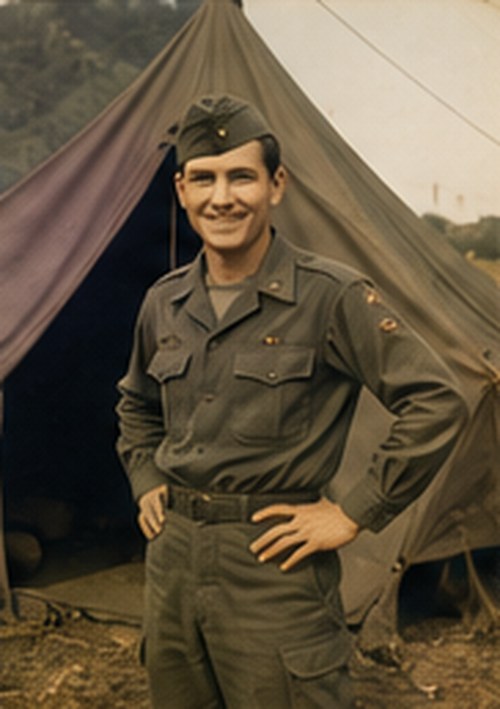
A life does not live in one place.
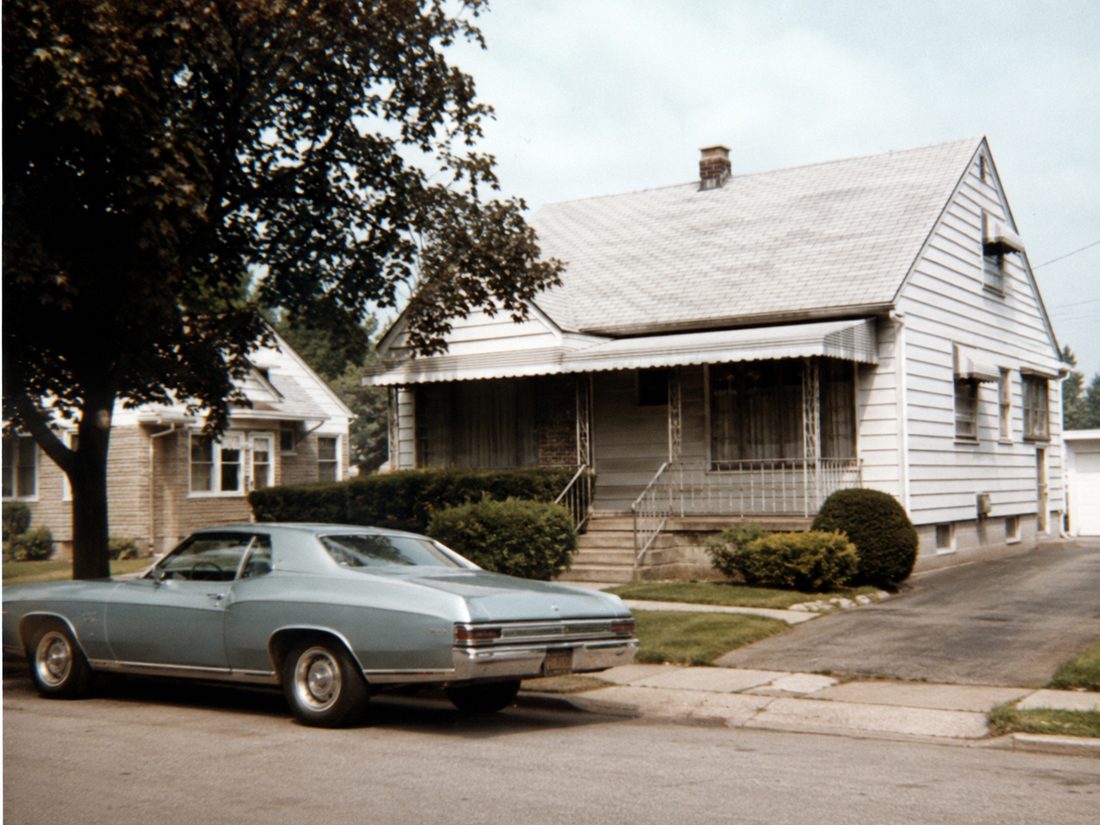
Photographs in a drawer. Recipes on index cards. Letters in a box. Stories told every Christmas. Voicemails nobody has deleted. A memoir somebody started twenty years ago.
Preservation brings them together into one family archive. Not just somewhere to store them. Somewhere your family can actually explore them.
Every story connects to another one.
Over time, Preservation learns the people, places and moments that make up a life.
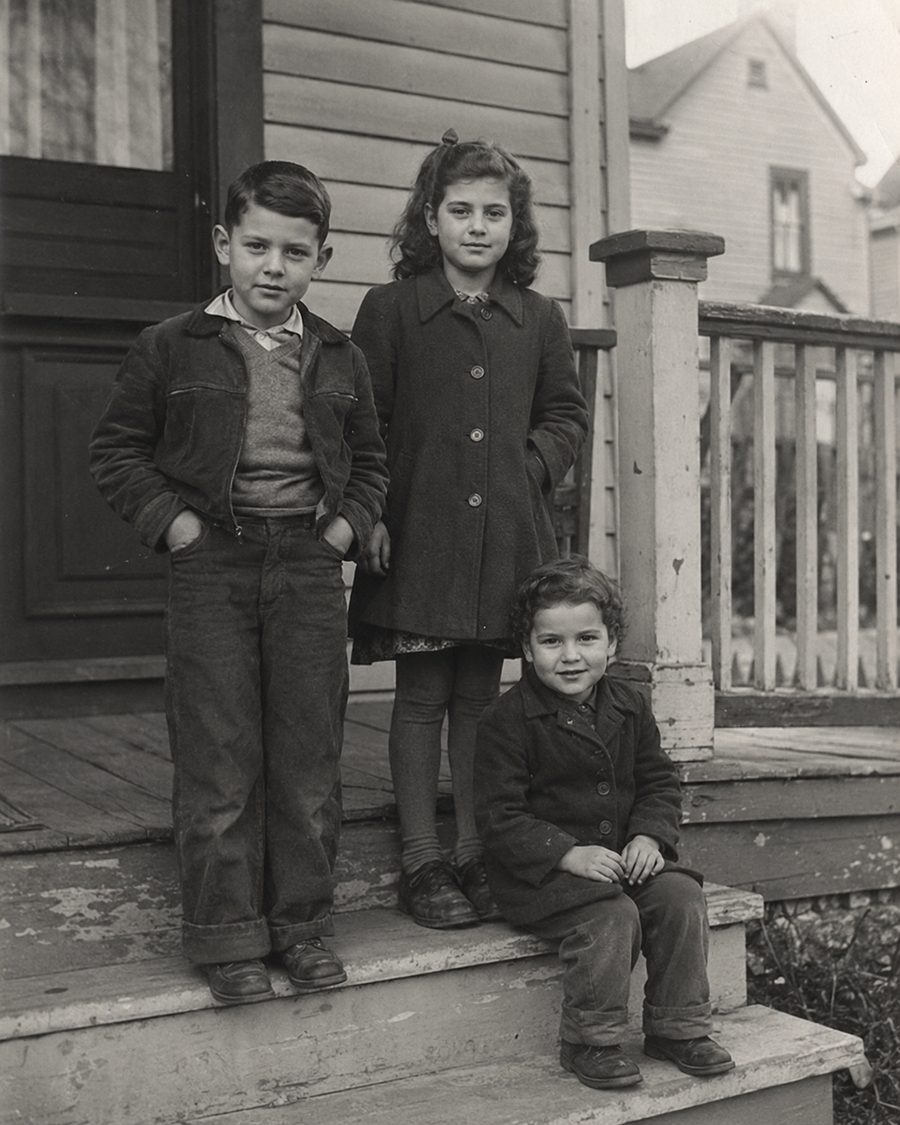
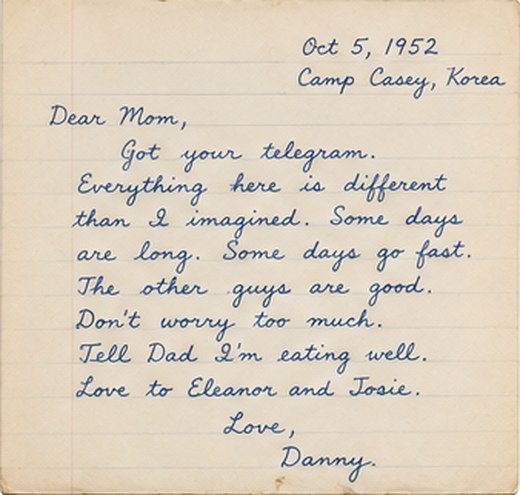
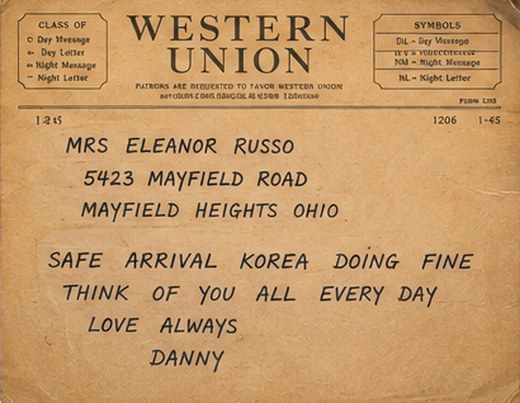
Open Walter and find the stories Eleanor told about him. Open Danny and see his photograph, his letter and every time Eleanor talked about him. Open Christmas Eve and find the recipe, the family tradition and the story behind it.
The archive becomes easier to explore as it grows.
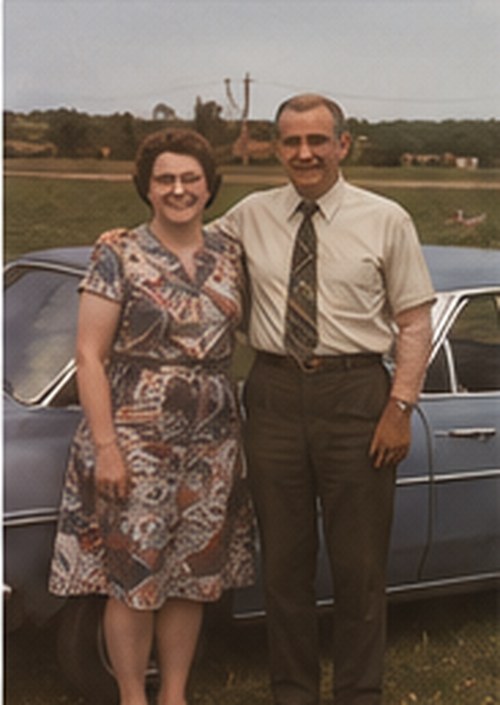
Walter Doyle
Husband
A terrible dancer who kept dancing anyway. He turned up at the Russo house every Sunday for four months until her father decided he was serious.
Stories with Walter
- 1959The terrible dancer
- 1963A mortgage and two chairs
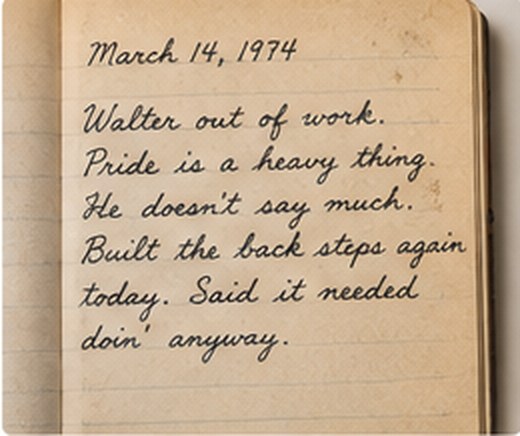
- 1974The back steps, rebuilt twice
- Their jokeThe obituaries
- 49 years“Nurse”
8 stories · 3 photographs · 1 letter
Saving everything isn't enough if nobody can find anything.
A shelf of tapes is not an archive. It's a homework assignment. Nobody wants to listen through eleven hours of recordings to find the story about how Grandpa met Grandma. With Preservation, your family asks the question they actually have.
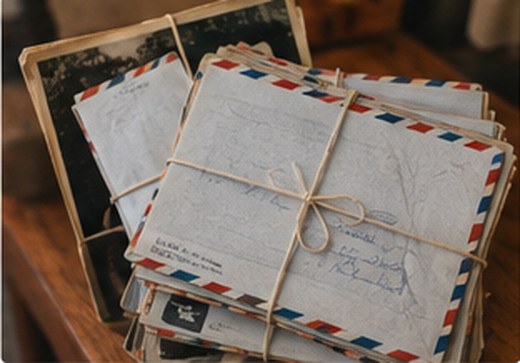
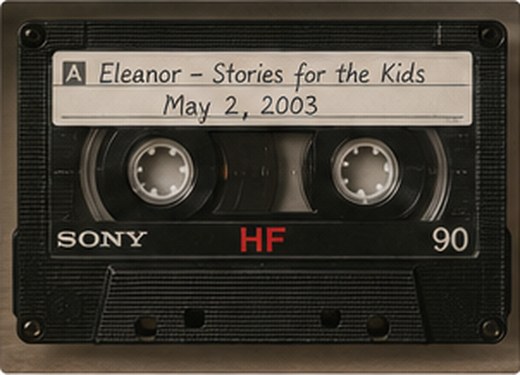
Eleven hours of tape. The story you want is in there somewhere.
Preservation finds the relevant parts of the archive and shows exactly where the answer came from. You can read the original passage. And when it was spoken, hear the original voice.
What AI does, and doesn't do
Their words, not an AI's imagination.
Preservation uses AI to help collect, organize and search a person's archive. It does not use AI to pretend to be that person.
Every answer must trace back to something they actually said, wrote or preserved. If the answer isn't there, Preservation says so.
They answered this.
See the exact passage and open the original source.
They never answered it in exactly those words.
Preservation brings together relevant things they did say and shows the sources behind the answer.
A cautious reading, and it says so.
When the archive only gets near a question, the answer is marked as interpretation of related material, never passed off as their words.
We don't know.
The archive does not contain enough to answer, so nothing is invented to fill the silence.
Their real voice stays theirs.
The recordings you preserve remain available as the original recordings. Preservation will never create new speech in someone's voice without explicit permission, from them or from their family. It is off by default and stays off until someone says yes.
It doesn't have to be one person's project.
Children and grandchildren can help build the archive without taking over the storyteller's voice. They can add photographs. Upload old family materials. Suggest questions. Identify people in pictures. Add memories of their own. And ask questions they wish they'd asked years ago.
Preservation always keeps clear who contributed what.
Sent to Eleanor's next sitting
“What was Dad like at my age?”
asked by Emma, granddaughter
Start while you can ask. Keep it when you can't.
The richest archive is built while someone can still tell you what the photograph meant, who was standing beside them, why they made a certain choice, or what happened next.
But families can also preserve someone they've lost, using the materials they left behind: letters, recordings, writing, photographs, emails, documents, and memories contributed by the people who knew them.
We always make clear what came directly from them and what came from somebody else.
Don't decide from this website. Try Preservation.
Record a few stories. See what it asks next. Ask the archive something yourself. Then decide whether it's worth keeping.
Try PreservationNo credit card required.
Simple pricing
Build the archive for $149. Keep everything you've preserved, even if you never subscribe again.
See pricingQuestions?
What the AI does and doesn't do, what happens if you stop paying, how long it takes. Answered plainly.
Read the FAQFor them
A way to pass down what they've learned over a lifetime.
For you
An easier way to have the conversations you've been meaning to have.
For your family later
A deeper understanding of where they came from, and who they are.
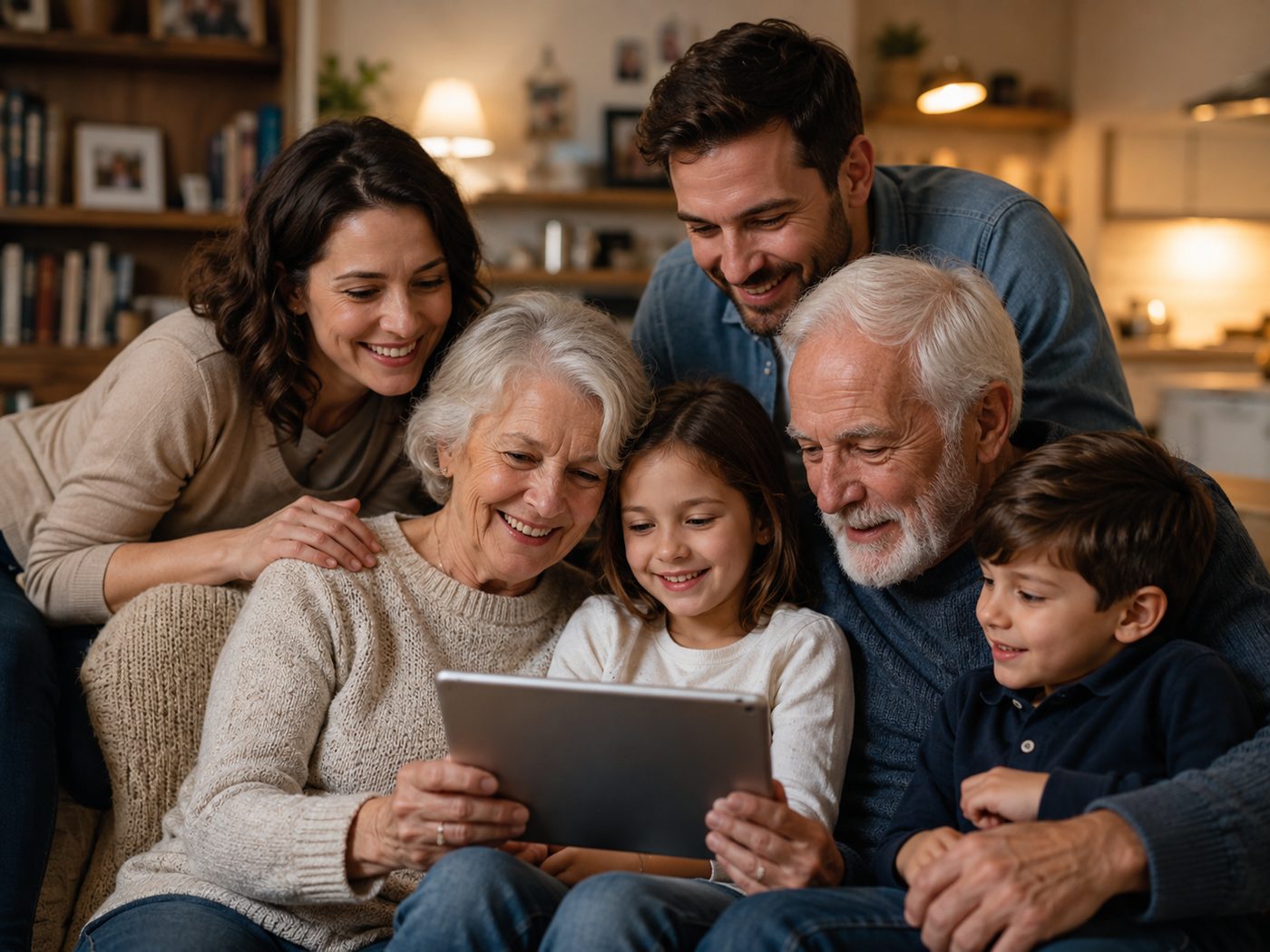
Everyone deserves to be remembered in their own words.
You don't need to know every question yet. You just need to start while there are still answers.